
The rubber astragal along the door's bottom edge is what stands between your garage and blown fog, rain, sand, and rodents — and Ocean Beach weather chews through it faster than anywhere inland. Alfonso replaces bottom seals, retainers, and perimeter weatherstripping in one visit; most San Francisco seal jobs run $90–$210.
| Bottom seal (astragal), new rubber in existing retainer | $90–$180 |
| Bottom seal with new aluminum retainer | $140–$260 |
| Perimeter stop-molding weatherstrip, full door | $120–$240 |
Typical San Francisco and Bay Area ranges (parts + labor), last updated July 2026 — see the full SF garage door cost guide. You get an exact, upfront quote before any work begins — call (415) 494-4774 or book online.
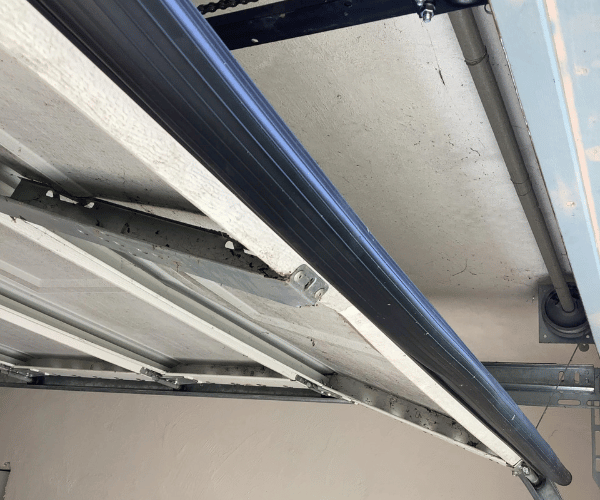
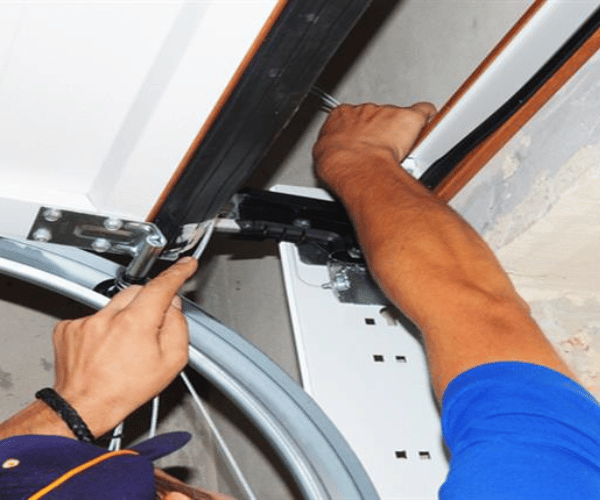

Contact us for a no-obligation assessment of your garage door needs. We provide transparent pricing and honest recommendations.

Our certified technicians arrive on time with fully stocked service vehicles, ready to complete most repairs on the first visit.

All our work is backed by comprehensive warranties on parts and labor, ensuring your complete satisfaction.

We provide follow-up service and are always available for questions or additional needs.
A little. A flat or cracked seal lets the door bang on the concrete when it lands, and a fresh one softens that. Most noise complaints we hear in San Francisco trace back to worn rollers or loose hinges, not the seal, so if the door is loud on the way up and down, have the rollers looked at too.
It can, if water coming in under the door is the cause. Give it a full rainy season before you judge, because boxes, shelving, and drywall that soaked up past leaks take months to dry out. If the smell hangs on with a good seal and a dry floor, the moisture is getting in somewhere else.
The rubber is the same, but the retainer track that holds it often is not. Wood moves with the damp more than steel, and on older Sunset and Richmond doors the track can be bent, rusted, or pulling loose. We straighten or replace the track so the new seal sits flat instead of leaving a gap at the corners.
Stand inside the closed garage in daylight: any light line under the door is also a water, sand, and mouse line. Other signs are rubber that's cracked and stiff instead of pliable, a seal that's torn loose from its retainer, and damp streaks or sand drifts on the floor after a windy night — a regular sight in homes within a few blocks of the beach.
Because almost no garage floor is level, especially in older San Francisco construction where slabs have settled. The door's bottom edge is straight; the floor under it isn't. A thicker seal profile usually bridges the difference, and for pronounced dips a floor-mounted threshold seal closes the gap from below. We measure the gap along its length and fit accordingly.
Realistically five to eight years in the fog belt versus ten or more inland — UV, salt, and constant damp harden rubber on an accelerated schedule. We fit heavier-duty rubber compounds by default on west-side homes for exactly this reason. When the seal starts printing a visible crack pattern, it's telling you it's due.
If your retainer channel is in good shape, sliding in new rubber is a reasonable DIY job — the honest hard parts are getting the right profile (there are more T-shapes and bead sizes than you'd expect) and feeding stiff rubber through a corroded channel. Where the aluminum retainer itself is corroded or bent, which is common near the coast, it becomes our kind of job.
Often handled in the same visit as weather seal repair:
Same-day, true 24/7 weather seal repair across San Francisco, the Peninsula, Marin, and the East Bay, including:
Our shop is at 1726 Great Hwy in the Outer Sunset. These are the SF neighborhoods where we run weather seal repair calls most often: