
Nine times out of ten, a door that starts down and pops back up is a safety-sensor issue; the rest are travel-limit drift, a bound roller, or an obstruction the opener interprets as resistance. Alfonso sorts out which one you have in a single San Francisco visit and fixes it on the spot — most won't-close calls resolve for $90–$260 including the diagnosis.
| Diagnosis (credited toward the repair) | $45–$95 |
| Sensor realignment or replacement | $90–$260 |
| Travel limit and close-force recalibration | $90–$160 |
Typical San Francisco and Bay Area ranges (parts + labor), last updated July 2026 — see the full SF garage door cost guide. You get an exact, upfront quote before any work begins — call (415) 494-4774 or book online.
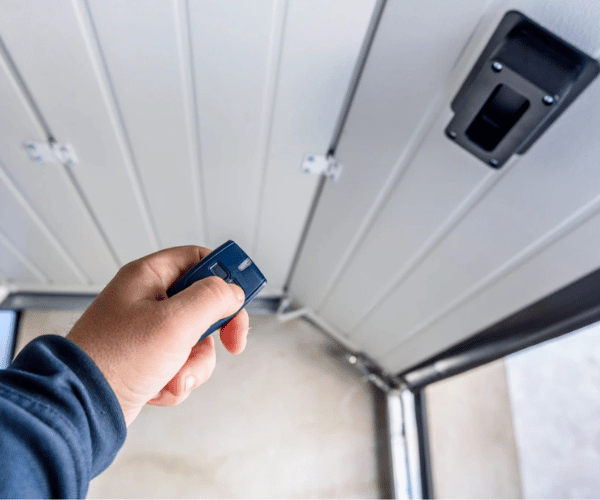
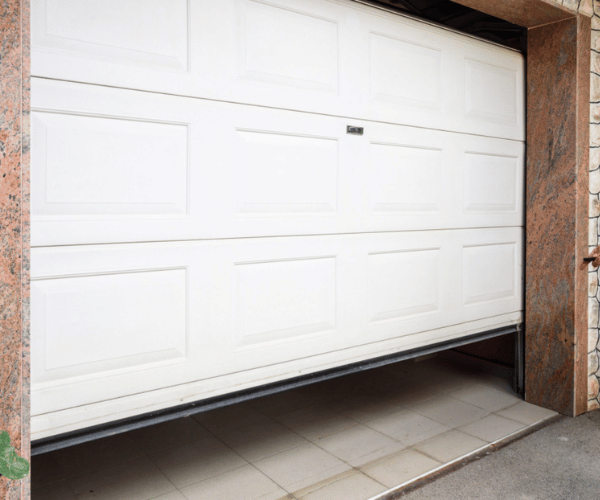

Contact us for a no-obligation assessment of your garage door needs. We provide transparent pricing and honest recommendations.

Our certified technicians arrive on time with fully stocked service vehicles, ready to complete most repairs on the first visit.

All our work is backed by comprehensive warranties on parts and labor, ensuring your complete satisfaction.

We provide follow-up service and are always available for questions or additional needs.
That's a travel-limit problem, not sensors. The opener thinks the floor is an obstruction because its programmed down-limit is set past where the floor actually is, so the moment the door lands, the force sensor trips and reverses it. Concrete settling and new weather seals both shift the effective floor height. Recalibrating the limits fixes it — typically $90–$160.
Time-of-day patterns almost always mean light or moisture, not mechanics. Late-afternoon sun blinding one photo-eye is classic in west-facing garages near the beach, and morning fog condensation on the lens does the same on damp days. Both are sensor-environment problems with cheap fixes — shields, repositioning, or a lens clean.
Most of these calls in San Francisco close out between $90 and $260 total. Sensor work runs $90–$260 depending on whether parts are needed, and limit recalibration runs $90–$160. The $45–$95 diagnostic folds into the repair price, and you approve the exact figure before we start.
We'd treat it as urgent instead — an open garage in the city is an invitation, and in garage-under-home houses it's a direct path inside. As a stopgap, most openers will close if you press and hold the wall button until the door seats. If even that fails, call us; overnight calls are exactly what our 24/7 line at (415) 494-4774 exists for.
Yes — a binding roller, a track pinch point, or a sagging hinge line can create real physical resistance partway down, and the opener correctly reverses off it. The tell is that the door also feels rough or catchy when you move it by hand with the opener disconnected. We check the mechanical side on every won't-close call, precisely because it gets missed.
Often handled in the same visit as garage door won't close:
Same-day, true 24/7 garage door won't close across San Francisco, the Peninsula, Marin, and the East Bay, including:
Our shop is at 1726 Great Hwy in the Outer Sunset. These are the SF neighborhoods where we run garage door won't close calls most often: